
Myth-busting · 4 min read
The multivitamin overkill
More vitamins don't mean more protection. Sometimes they just mean more clutter.
By El Zahra · Co-Founder & Medical Lead
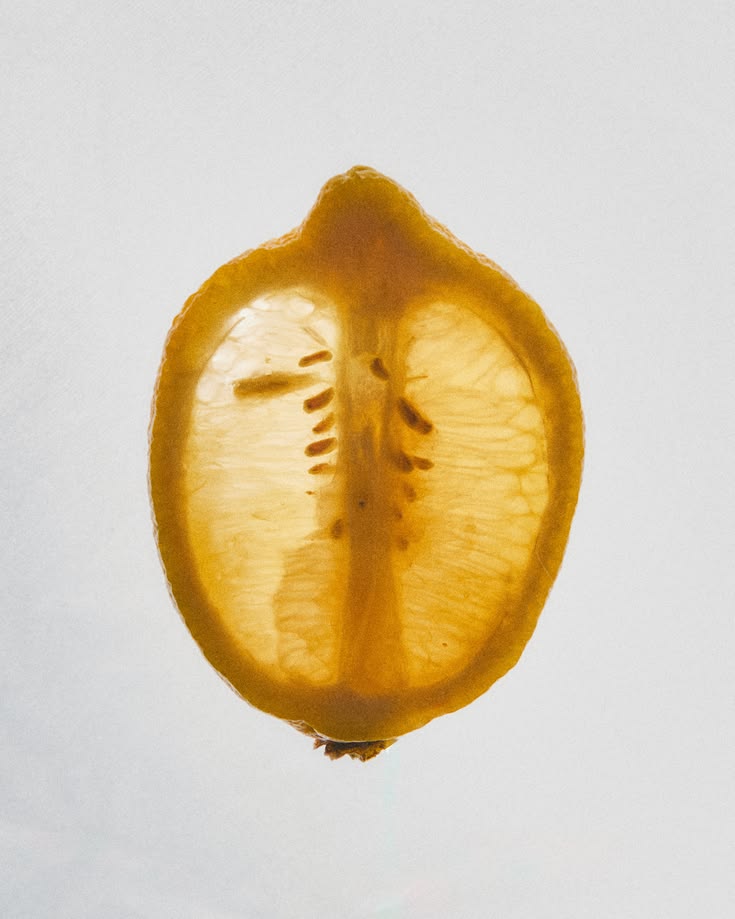
Open the back of a typical UTI supplement and you'll often find a shopping list. Vitamin C. Vitamin D. Zinc. Something called frankincense. It looks generous. It's mostly marketing.
Most of us already take something. A vitamin D in winter (hello, Denmark). A multivitamin. Maybe iron. Stack a UTI pill full of the same things on top and you're not protecting yourself more. You're just doubling up.
Not all vitamins leave the same way
Water-soluble vitamins, like the B vitamins, are easier for the body to get rid of when you take more than you need. Fat-soluble ones, like vitamin D, are stored. And vitamin D isn't just an everyday nutrient. Biochemically, it's a fat-soluble steroid pro-hormone that builds up in your body. In Denmark and across Northern Europe, lots of us already take vitamin D through winter. Stacking extra doses into a bladder supplement adds to that pile, and the NHS is clear that too much over a long time can lead to a build-up of calcium (hypercalcaemia). Your bladder needs targeted care, not hormone clutter.
And vitamin C? It's ascorbic acid. Acid. If you read our cranberry piece, you already know how we feel about adding acid to an irritated bladder.
So what did we keep?
A small dose of niacin (vitamin B3), which contributes to the maintenance of normal mucous membranes. That's the whole vitamin list. Boring on a label. Kind on your body.